 les catégoriesproduits chauds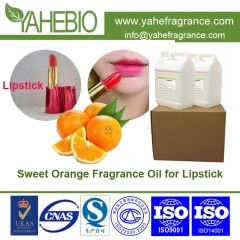
qualité alimentaire; profil de saveur d'orange doux et naturel; haute qualité et prix d'usine favorable. dosage pour le rouge à lèvres: 0,5 à 3%.
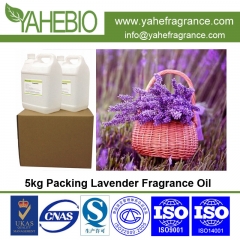
longue durée; 16 ans fabricant desaveur et parfum avec iso9001, iso14001, certificats iso22000; profil de lavande pur et naturel; haute qualité et prix d'usine favorable. dosage pour lessive: 0,2-0,5%
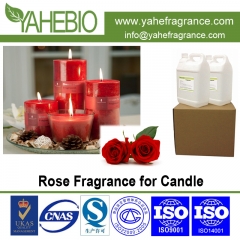
Arôme de rose naturel et pur, spécial utilisé dans l'application de bougie
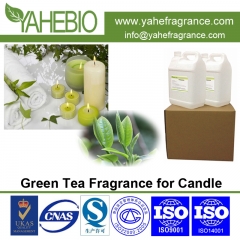
Profil d'arôme de thé vert fort, utilisé dans l'application de bougie.
Mots clés
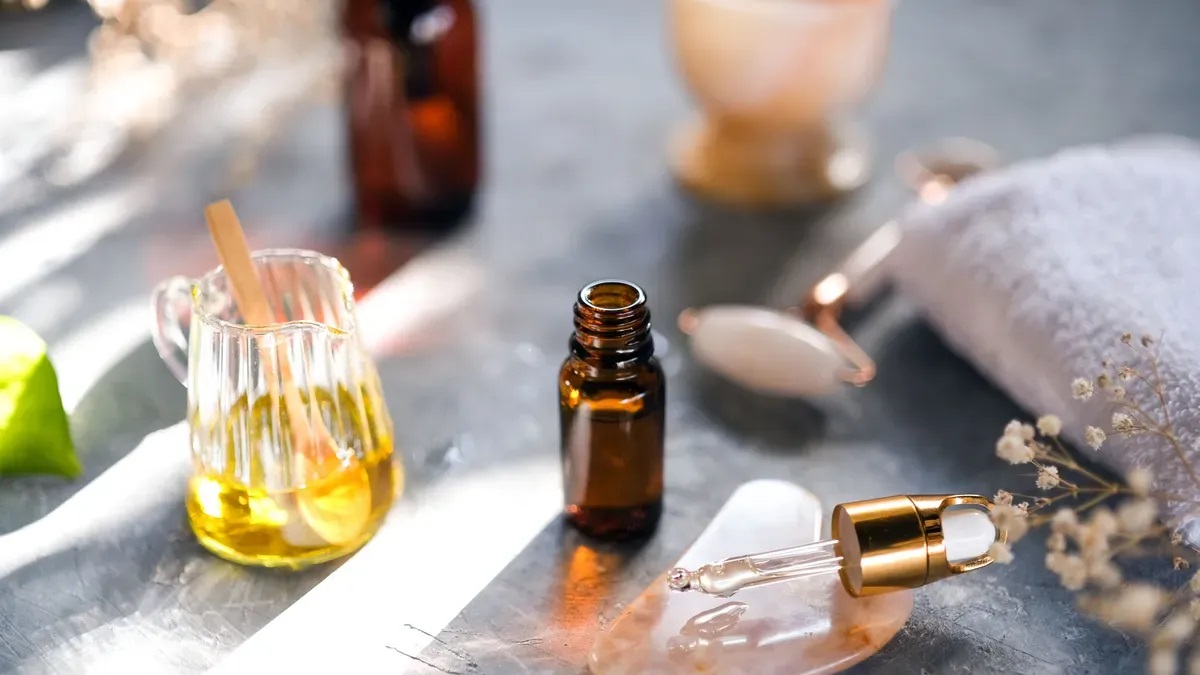
Votre marché cible détermine l'orientation de votre parfum. Une clientèle haut de gamme attend des compositions sophistiquées aux ingrédients rares. Les jeunes consommateurs aisés considèrent le parfum comme un moyen d'expression identitaire. Ils recherchent des mélanges originaux, des éditions limitées et des ingrédients rares. Les acheteurs soucieux de l'environnement privilégient les ingrédients naturels et durables, issus d'une production transparente. Les consommateurs du marché de masse souhaitent des parfums familiers à des prix abordables. Votre marque doit répondre à ces attentes.
Réfléchissez à votre clientèle. Une gamme de produits de soins pour hommes pourrait avoir besoin d'unhuile parfumée pour hommesAvec des notes boisées ou épicées. Une gamme de soins pour femmes pourrait bénéficier d'une huile parfumée aux notes florales ou hespéridées. Le type de produit a également son importance. Un parfum pour bougie nécessite une forte diffusion à chaud et une compatibilité avec la cire. Une formulation de savon exige une stabilité lors de la fabrication à froid et des dosages précis. Une lotion sans rinçage requiert une conformité stricte aux normes IFRA et des limites d'utilisation minimales. Ces facteurs contribuent à façonner votre formulation de parfum sur mesure.
Le marché présente une nette divergence. Les parfums de prestige connaissent une croissance rapide, les consommateurs considérant le parfum de luxe comme un plaisir accessible. Les parfums grand public sont en déclin face à cette évolution vers le haut de gamme. Les marques alliant savoir-faire artisanal et éditions limitées acquièrent un avantage concurrentiel. Comprendre ces tendances vous aidera à choisir un fabricant d'huiles parfumées sur mesure qui corresponde à votre vision.
Définissez d'abord les applications de vos produits. Chaque type de produit présente des exigences techniques spécifiques. La fabrication de savons à froid nécessite l'ajout d'huile parfumée aux huiles fondues avant la solution de soude. La maîtrise du point d'éclair est essentielle pour éviter l'évaporation lors des procédés à chaud. Certaines huiles peuvent entraîner une décoloration ; consultez donc les notes du fournisseur avant tout achat. Les bougies doivent être testées en combustion afin de vérifier la diffusion du parfum à chaud et la compatibilité avec la cire. Les lotions doivent faire l'objet de tests cutanés. Ces exigences techniques ont un impact sur votre calendrier de développement.
L'identité olfactive de votre marque est essentielle. Souhaitez-vous un parfum signature ou une gamme de parfums complémentaires ? Une signature olfactive renforce la notoriété de votre marque. Une offre variée permet de diversifier vos produits et de l'adapter aux différentes saisons. Le coût de développement varie selon la complexité. Pour les petites marques, les projets d'entrée de gamme se situent entre 8 000 $ et 15 000 $. Les projets commerciaux standards coûtent entre 15 000 $ et 35 000 $. Un développement haut de gamme peut coûter entre 35 000 $ et 80 000 $. Ces prix incluent la conception, la formule, la conformité réglementaire et la production pilote.
Les tests de qualité sont indispensables. Demandez des échantillons pour évaluer la durée de vie et la précision. Vérifiez la conformité IFRA pour chaque type de produit. Règle d'or : ne copiez pas le pourcentage d'un parfum de bougie dans un savon ou une lotion. Chaque catégorie a une limite IFRA spécifique, basée sur le profil d'exposition. Consultez la fiche technique IFRA pour connaître l'application exacte. Cette rigueur préserve la réputation de votre entreprise d'huiles parfumées.
Pour réussir dans le commerce des huiles parfumées, il est essentiel de définir ces besoins dès le départ. Votre formulation de parfum personnalisée doit correspondre à votre produit, à votre clientèle et à votre budget. Un fabricant compétent vous accompagnera dans ce processus avec expertise et flexibilité.
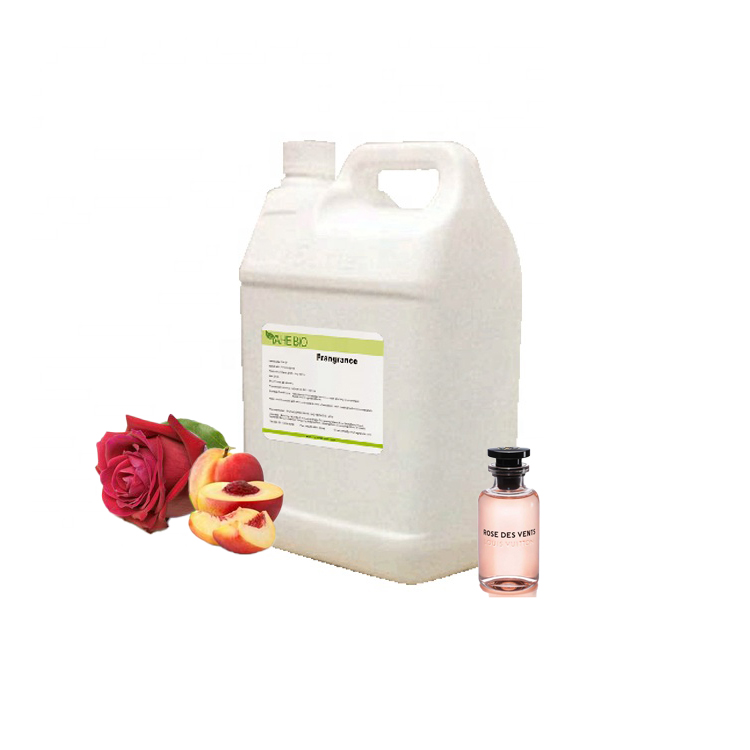
Il vous faut un partenaire doté d'un véritable service de recherche et développement interne. Renseignez-vous sur l'expérience de leurs parfumeurs et leur capacité à créer des fragrances synthétiques, naturelles ou biologiques. Un fabricant de parfums de marque privée de qualité investit dans des parfumeurs qualifiés qui maîtrisent l'approvisionnement en matières premières et les techniques d'assemblage. Il doit faire preuve d'une expertise dans toutes les catégories de produits, des parfums pour bougies aux formules respectueuses de la peau.
Demandez des échantillons avant de vous engager dans un partenariat. Évaluez chaque échantillon quant à sa tenue, son sillage et sa fidélité au cahier des charges. Un échantillon de qualité révèle immédiatement le savoir-faire technique du fabricant. Vous souhaitez choisir un fabricant d'huiles parfumées sur mesure capable de garantir des résultats constants d'un lot à l'autre.
La création d'un parfum signature exige une élaboration minutieuse. Votre formule doit comporter trois étapes : les notes de tête pour la première impression, les notes de cœur pour révéler la personnalité du parfum et les notes de fond pour la profondeur et la tenue. Équilibrez la formule avec 6 à 10 ingrédients afin d'éviter de surcharger le profil olfactif. Associez le parfum à une émotion spécifique, en accord avec l'identité de votre marque. Prévoyez deux à trois itérations, testées en conditions réelles pendant plusieurs heures afin d'évaluer son évolution et d'ajuster son intensité. La formule finale doit être conforme aux normes IFRA.
Le délai de livraison des échantillons est crucial pour votre calendrier. Conformément aux spécifications du fabricant, les échantillons d'huiles parfumées personnalisées sont livrés sous 1 à 3 jours. Cette rapidité distingue la phase de développement des échantillons de la phase de production en série, plus longue, qui dure généralement de 3 à 7 jours.
Les quantités minimales de commande peuvent avoir un impact considérable sur votre budget. Un fabricant de parfums en marque blanche flexible propose des quantités minimales adaptées aux jeunes entreprises tout en favorisant leur croissance. Certains fournisseurs exigent des quantités minimales de commande allant de 1 kg à 25 kg par parfum. Les fournisseurs de matières premières peuvent exiger 1 kg ou plus d'ingrédients coûteux, ce qui engendre des coûts initiaux importants.
|
Défi |
Point de données spécifique |
|---|---|
|
Quantité minimale de commande pour les huiles parfumées |
La taille minimale des lots varie de 1 kg à 25 kg par parfum. |
|
Quantité minimale de commande pour les matières premières |
Les fournisseurs peuvent exiger 1 kg ou plus d'ingrédients coûteux (par exemple, du béton d'iris à 19 000 £/kg). |
|
Exigences de test |
Des tests de stabilité, d'allergènes et microbiologiques sont obligatoires avant la mise sur le marché. |
Prenons l'exemple concret de Papillon Artisan Perfumes. Cette maison de parfums indépendante britannique a frôlé la faillite lorsque ses premiers fournisseurs ont exigé des quantités minimales de commande (MOQ) importantes pour les matières premières. Elle risquait d'immobiliser tout son capital dans les stocks, ce qui a engendré de graves problèmes de trésorerie, jusqu'à ce qu'elle parvienne à convaincre ses fournisseurs d'accepter des quantités plus faibles. Cette histoire illustre l'importance de la flexibilité des MOQ pour votre activité d'huiles parfumées.
Les options d'emballage méritent également un examen attentif. Le fabricant propose-t-il des emballages de marque privée qui correspondent à l'esthétique de votre marque ? Peut-il fournir des bouteilles, des étiquettes et des bouchons personnalisés ? Un fabricant offrant des services complets simplifie votre chaîne d'approvisionnement et garantit la cohérence de votre gamme de produits.
Les délais de production ne se limitent pas aux échantillons. La phase complète de développement jusqu'à l'obtention d'une formule approuvée prend généralement de 4 à 6 semaines. Le développement des échantillons constitue la première étape de ce processus et est souvent réalisé en quelques jours. Renseignez-vous sur les délais de production, la capacité saisonnière et leur capacité à adapter leur production à votre demande.
Votre formulation de parfum sur mesure doit également tenir compte des besoins spécifiques du produit. Une huile parfumée pour hommes pourrait nécessiter des notes boisées plus prononcées, tandis qu'une autre…huile parfumée pour femmeIl pourrait comporter des motifs floraux délicats. Le fabricant doit justifier d'une expérience dans ces catégories.
La prévision de la demande représente un autre défi. Les marchés des parfums indépendants sont passionnés mais de niche, ce qui rend les prévisions de volume de ventes difficiles. Des prévisions trop optimistes entraînent des surstocks coûteux. Des prévisions trop pessimistes provoquent des ruptures de stock et une perte de dynamisme. Des quantités minimales de commande élevées exigent des investissements initiaux importants ; si la demande est inférieure aux prévisions, les invendus immobilisent des fonds et menacent la liquidité.
Évaluez la qualité des parfums et les capacités techniques grâce à leurs protocoles de test. Renseignez-vous sur les tests de stabilité, le dépistage des allergènes et les analyses microbiologiques. Un fabricant qui privilégie la sécurité et la documentation préserve la réputation de votre marque. Les huiles parfumées en gros nécessitent un contrôle qualité rigoureux pour garantir une qualité constante d'un lot à l'autre.
Un bon fabricant de parfums en marque blanche propose des options de personnalisation avancées, une communication transparente et des délais réalistes. Il sait que votre succès est le sien. Choisissez un partenaire qui considère la création de votre parfum sur mesure comme un projet collaboratif, et non comme une simple commande.
L'usage dans l'industrie indique que la phase de développement d'une formule approuvée dure généralement de 4 à 6 semaines. Bien que cela englobe l'ensemble du processus de formulation, le développement d'échantillons constitue généralement la première étape de cette période, ce qui signifie que le délai d'obtention des échantillons est généralement une sous-partie de ces 4 à 6 semaines, souvent réalisé dans les premiers jours, voire la première semaine.
Le respect des réglementations protège votre marque et vos clients. L'Association internationale des parfums (IFRA) établit les normes mondiales en matière de sécurité des parfums. Vous devez vous assurer que votre fabricant de parfums de marque privée respecte les amendements IFRA en vigueur. Le 51e amendement, publié le 30 juin 2023, contient les dernières restrictions. Votre fabricant doit confirmer que toutes les formulations sont conformes à ces règles mises à jour avant le 30 octobre 2025. Cette échéance concerne tous les produits que vous prévoyez de lancer.
Les différents types de produits relèvent de différentes catégories IFRA. Une seule fiche de conformité ne suffit pas pour tous vos produits. Les bougies et l'encens appartiennent à la catégorie 12, qui exclut généralement les limites de phototoxicité. Cependant, d'autres restrictions relatives aux matériaux s'appliquent. Les produits de soin de la peau nécessitent un examen plus approfondi. Les rouges à lèvres et les baumes à lèvres relèvent de la catégorie 1 en raison du risque d'ingestion. Les parfums et les après-rasages appartiennent à la catégorie 4. Les lotions et crèmes pour le corps sont classées dans les catégories 2 et 5A à 5D. Les brumes d'oreiller ont fait l'objet de précisions dans le 51e amendement, sous la catégorie 11B. Les diffuseurs à bâtonnets relèvent de la catégorie 10A. Chaque catégorie est soumise à des limites d'utilisation spécifiques.
|
Type de produit |
IFRA Category |
Clarification essentielle |
|---|---|---|
|
Bougies, encens, appareils à air sec |
Catégorie 12 |
En général, aucune limite de phototoxicité n'est imposée ; d'autres restrictions s'appliquent. |
|
Rouge à lèvres, baume à lèvres |
Catégorie 1 |
Leave-on products with potential oral exposure |
|
Fine fragrance, aftershaves |
Category 4 |
Aftershaves of all types included |
|
Body lotions, creams |
Categories 2, 5A-5D |
Body sprays are Category 2 unless labeled otherwise |
|
Pillow sprays |
Category 11B |
Limited transfer to facial skin before drying |
|
Reed diffusers |
Category 10A |
Consumer handling and fabric exposure considered |
Your manufacturer must provide safety data sheets (SDS) and IFRA certificates for every custom fragrance formulation. These documents prove the fragrance meets regulatory requirements for your specific product type. A reputable private label fragrance manufacturer maintains these records and shares them transparently.
Documentation alone cannot confirm quality. You must test the actual fragrance in your product. Request samples from your shortlisted manufacturers. Evaluate each sample for longevity, sillage, and accuracy against your brief. A quality sample reveals technical skill immediately.
An allergen declaration from a fragrance supplier lists the regulated allergens present in the fragrance oil and their concentrations (as a percentage of the neat oil). This allows cosmetic manufacturers to determine which allergens will appear in their finished product at labelling-relevant levels.
Ask for allergen information alongside your samples. This declaration helps you label your finished products correctly. It also protects consumers with sensitivities. Your manufacturer should provide this documentation without hesitation.
Test each sample in your actual product base. A perfume oil for men might perform differently in a beard balm than in an alcohol-based spray. A perfume oil for lady could shift its character in a soy candle versus a lotion. Run stability tests to check color changes, oxidation, and scent evolution over time. Evaluate the fragrance at the recommended usage rate for your product category. Do not exceed IFRA limits to achieve a stronger scent.
Your evaluation should include multiple rounds. Test the fragrance immediately after production and again after several weeks. Some scents improve with aging; others degrade. Document your observations systematically. Compare results across manufacturers to identify the most consistent partner.
Transparent communication matters throughout this process. Your manufacturer should explain their testing protocols and answer technical questions clearly. They should provide batch-to-batch consistency data. This transparency builds confidence in their ability to deliver reliable fragrance for your fragrance oil business. The right partner treats compliance and quality as shared responsibilities, not burdens.
Your budget shapes your partnership options. Custom scent creation involves several cost stages. Concept and brand strategy development typically costs $1,000 to $5,000, formula development $3,000 to $15,000+, and regulatory compliance $500 to $3,000. These costs cover initial development. You must factor these costs into your launch plan before you commit to any supplier.
Minimum order quantities affect your cash flow directly. A private label fragrance manufacturer with flexible moqs lets you test the market without overcommitting. You can start with smaller batches, validate demand, then scale production as orders grow. This approach protects your capital during the early stages of your fragrance oil business.
Lead times matter just as much as pricing. Ask about production schedules and seasonal capacity. A manufacturer that delivers consistently on time becomes an operational asset. You avoid stockouts that frustrate customers and overstock that ties up funds. Transparent lead times let you plan launches with confidence.
Scalability requires more than volume. Your partner must maintain the same scent profile, strength, and longevity across every batch. Certificates of Analysis for each production run confirm this consistency. You need a supplier who grows with you, not one who struggles when your orders double.
Communication forms the foundation of any long-term fragrance manufacturing partner relationship. Your supplier should listen carefully, understand both what you say and what you imply. They should respond quickly to changes and offer technical guidance when you need it. This responsiveness prevents small issues from becoming costly delays.
Industry surveys identify key factors that sustain partnerships. Quality raw materials rank first. Your manufacturer must source ingredients responsibly, ensuring proper harvesting and storage. Competitive costs matter, but beware of oils priced too low. Adulterated ingredients often hide behind bargain prices. Safety standards protect your reputation. Every scent must meet IFRA requirements, with proper documentation for each product category.
Innovation keeps your line fresh. A partner with active research and development helps you spot trends before they peak. They can create a signature scent that becomes your brand's calling card. Whether you need a bold perfume oil for men or a delicate perfume oil for lady, their perfumers should demonstrate versatility across categories.
Testing validates your choices. Sensory panels score samples on diffusion, longevity, and uniqueness. Instrumental analysis tracks odor molecule concentration over time. An excellent formula maintains its character over several hours. These methods confirm your fragrance performs as promised.
Understanding how to start a fragrance oil business means recognizing that your manufacturer is a strategic ally. The right private label fragrance manufacturer supports consistency, innovation, and market insights. You build a fragrance oil business that thrives on quality and trust. Choose a partner who treats your success as their own.
You now know how to choose a custom fragrance oil manufacturer. Define your scent goals. Evaluate capabilities. Verify compliance. Select a scalable partner. The right manufacturer becomes a strategic ally for your fragrance oil business. This ally supports your growth and innovation. You learn how to start a fragrance oil business through these steps. Compare multiple manufacturers. Request samples. Ask detailed questions about testing. Your product quality depends on this diligence. Wholesale perfume oils from a trusted partner ensure consistency. Vet each supplier thoroughly. ConsiderYahe Biofor consistent, high-quality custom fragrance development. Your brand deserves a partner who treats your success as their own.
Most manufacturers set MOQs between 1 kg and 25 kg per scent. Raw material suppliers may require 1 kg or more of expensive ingredients. You should ask each private label fragrance manufacturer about their specific MOQ structure before committing. Flexible MOQs help you test the market without tying up capital.
Test each sample in your actual product base, not just on a scent strip. Evaluate longevity, sillage, and accuracy against your brief. Run stability tests to check color changes and scent evolution over several weeks. Compare results across manufacturers to identify the most consistent partner for your fragrance oil business.
Request IFRA certificates, safety data sheets (SDS), and allergen declarations for every custom fragrance formulation. Verify the manufacturer follows the current IFRA amendments, including the 51st Amendment published June 30, 2023. Each product type falls under a different IFRA category with distinct usage limits. Documentation protects your brand reputation.
Sample development typically takes 1–3 days. The full development phase to an approved formula takes 4–6 weeks. Mass production requires an additional 3–7 days. Custom scent creation costs for small brands typically range from $8,000 to $15,000. Understanding how to start a fragrance oil business means planning for these timelines and costs.
Oui. Un fabricant de parfums de marque privée compétent emploie des parfumeurs polyvalents. Ils peuvent créer des notes boisées et affirmées pour une huile parfumée masculine et des notes florales délicates pour une huile parfumée féminine. Renseignez-vous sur leur catalogue et demandez des échantillons pour vous faire une idée de leur savoir-faire.







 en ligne
 13923210784
